In short
What CRI (Ra) means for linear LED lighting, when to specify CRI 80 or CRI 90+, and why it matters for materials, finishes and people.
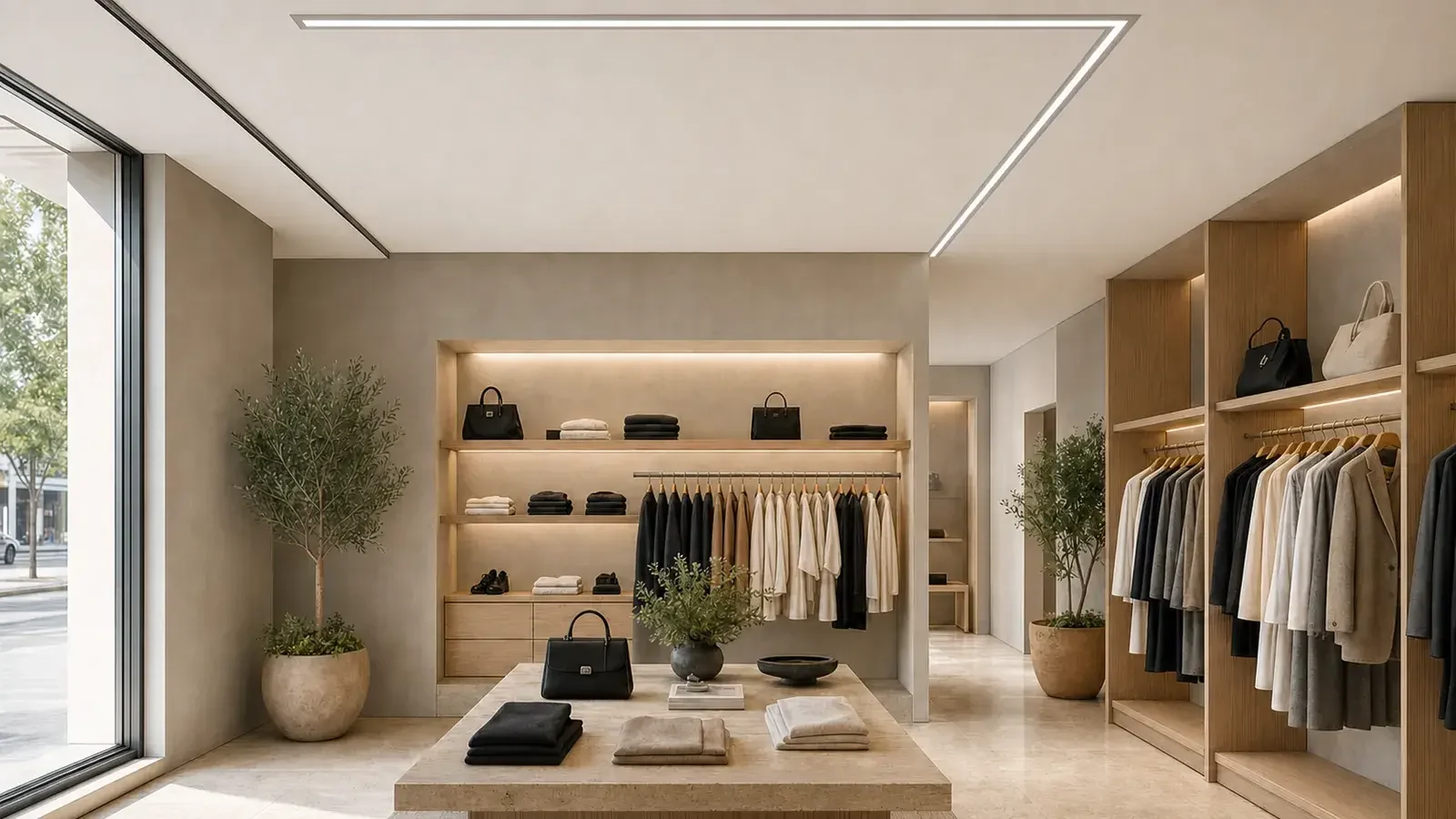
Two luminaires can produce the same amount of light and the same colour temperature, yet make a room look completely different. The difference is colour rendering.
What CRI measures
The Colour Rendering Index (CRI, or Ra) compares how accurately a light source shows colours against a reference source. The scale runs to 100. Higher values show materials, skin tones and finishes more faithfully.
CRI 80 vs CRI 90+
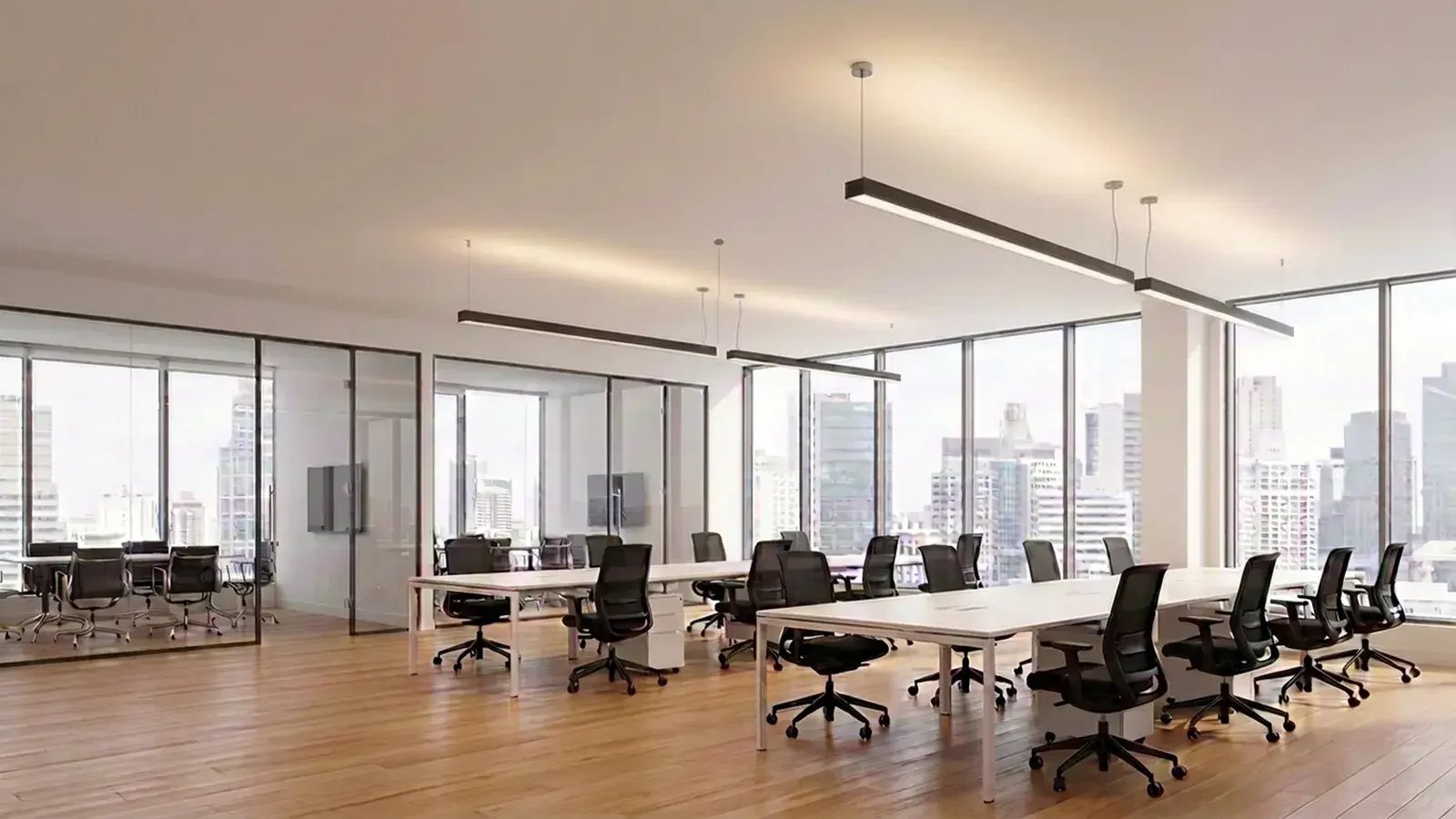
- CRI 80+: the minimum for offices and most workplaces under BS EN 12464-1.
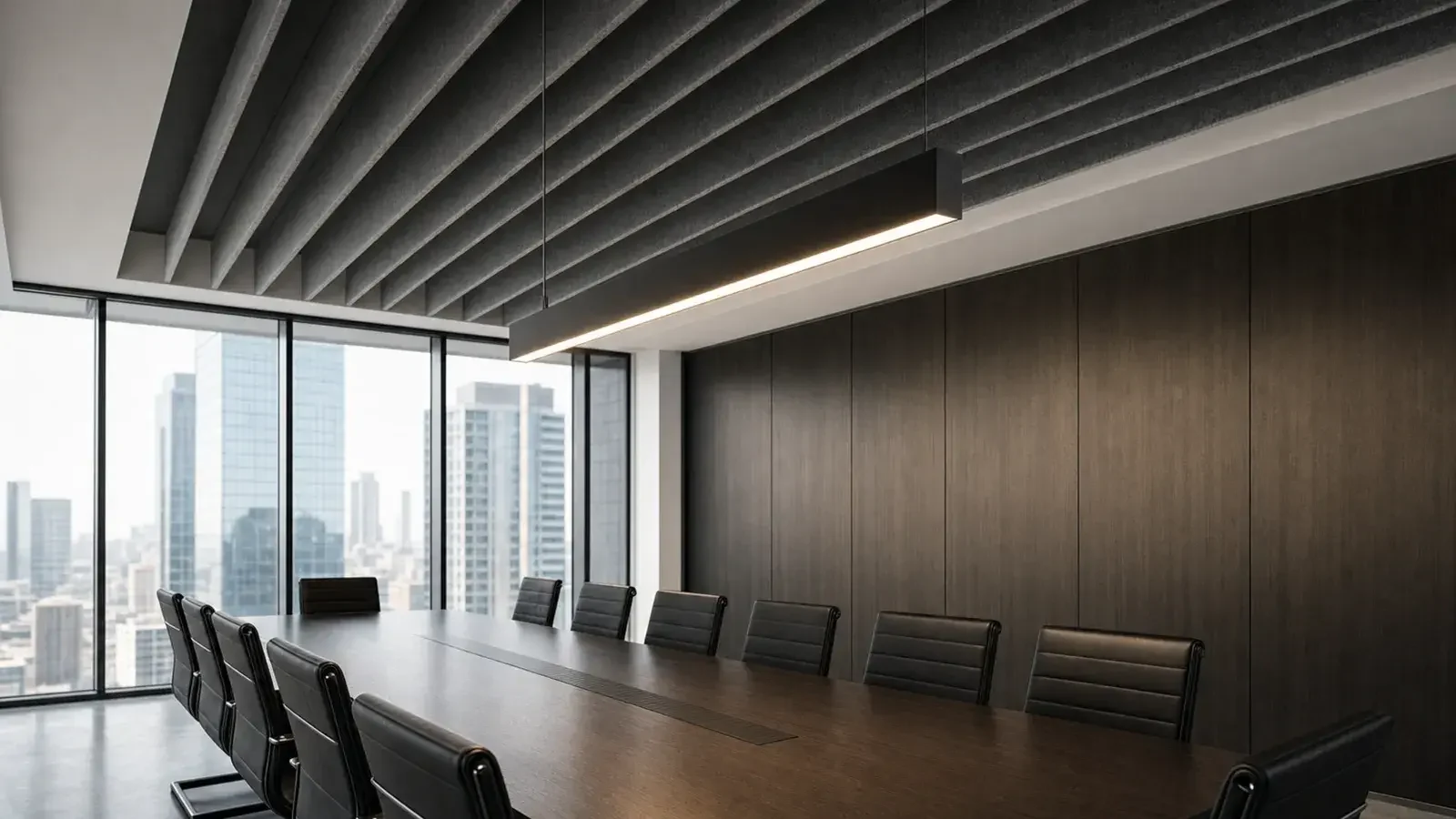
- CRI 90+: recommended for retail, hospitality, galleries, showrooms and any interior where materials and finishes are the point.
Look beyond the headline number
Ask about R9, the rendering of saturated red. It strongly affects how skin, timber and food look, and a low R9 can make a CRI 90 source look flat.
Where to spend the budget
If budget is tight, prioritise high CRI in client-facing areas, such as receptions, meeting rooms and display zones, and use CRI 80 in back-of-house spaces.
Our linear systems are available with high CRI options. Explore the collections.
Further reading at 299 Lighting
Next steps on linear-led.com
Specifying a linear scheme?
Send us your drawings or brief. We'll come back with a shortlist, photometrics and LG7 calculations.
Start a project →Frequently asked questions
What CRI should I specify for linear lighting?
CRI 80 is the minimum for offices. CRI 90 or higher is recommended for retail, hospitality, galleries and design-led interiors.
What is R9?
R9 is the rendering value for saturated red. It is not included in the standard CRI average but strongly affects how skin tones and warm materials appear.