In short
How tunable white linear LED lighting changes colour temperature through the day, and where human-centric lighting adds real value.
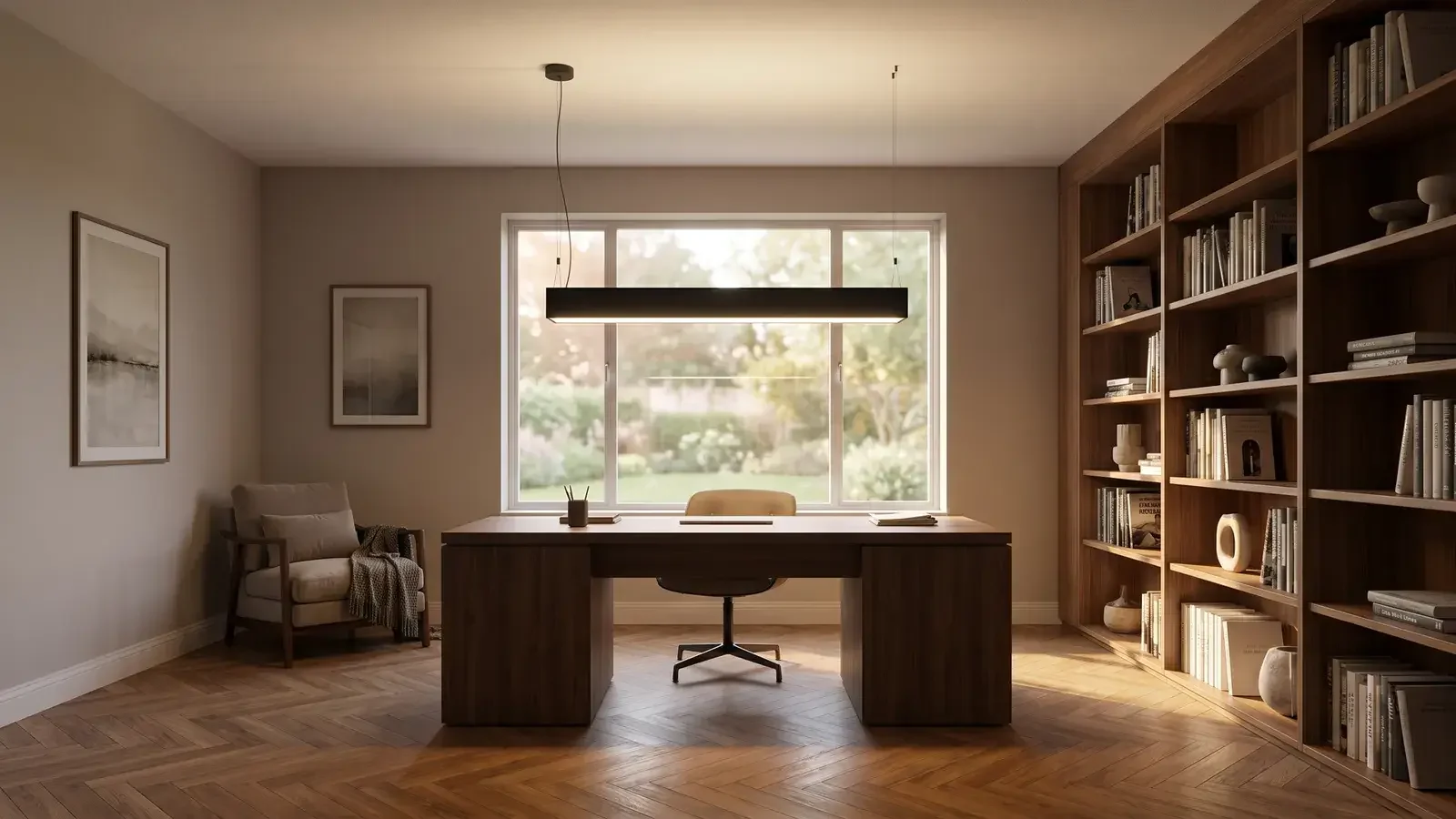
Tunable white lighting lets one luminaire shift between warm and cool white. Used well, it helps spaces feel more natural and supports the people who use them.
How it works
Tunable white luminaires contain two sets of LEDs, warm and cool. A controller mixes them to set any colour temperature in between, typically from around 2700K to 6500K.
Human-centric lighting
Human-centric lighting follows the rhythm of daylight: cooler, brighter light during the working day and warmer, softer light towards the evening. Many organisations use it to support wellbeing in spaces with limited daylight.
Where it adds value
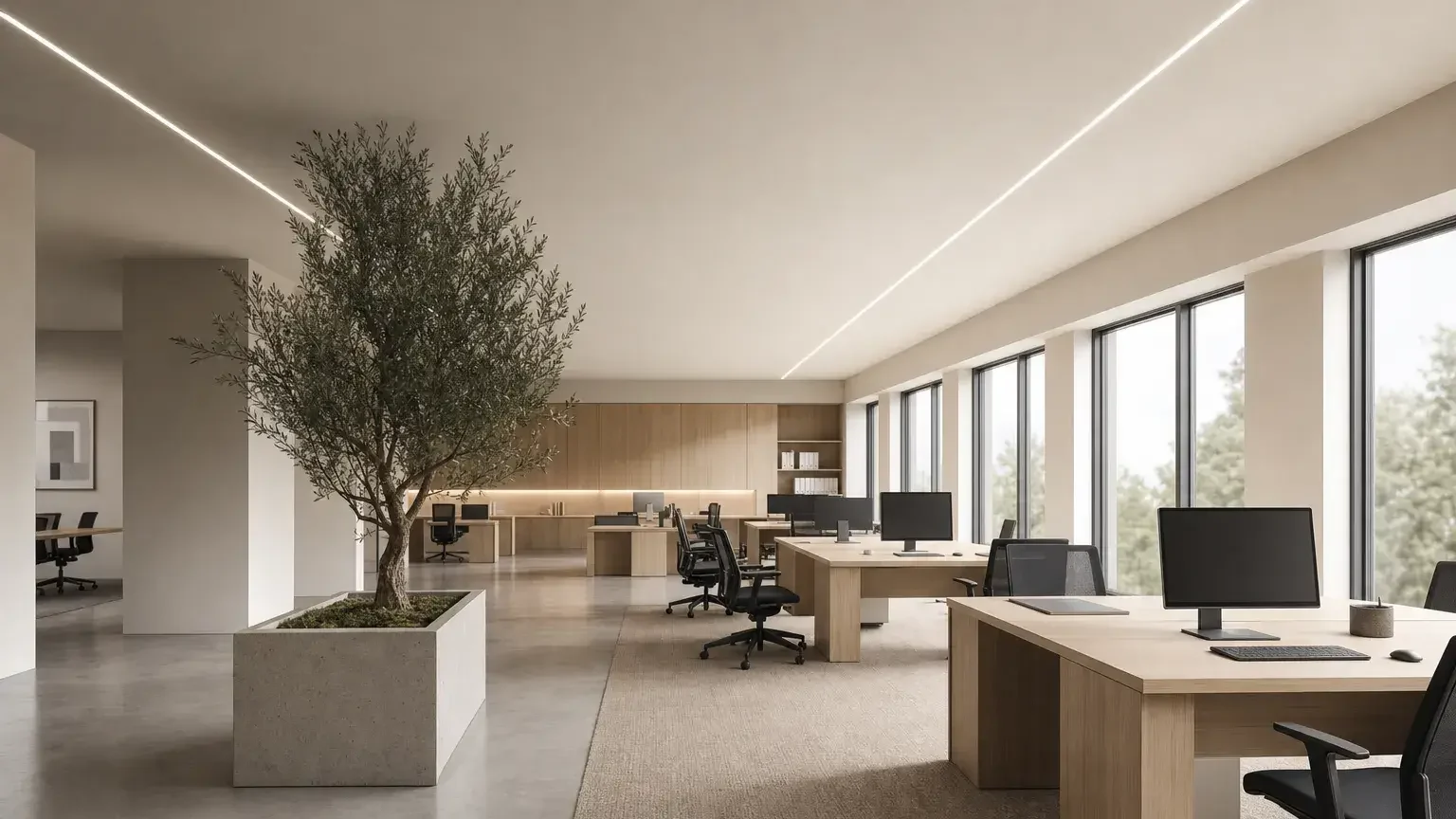
- Deep-plan offices with little daylight
- Healthcare and care settings
- Education spaces used from morning to evening
- Multi-purpose rooms that switch between uses
Controls
Tunable white needs a compatible control system, such as DALI DT8 or Casambi, and should be commissioned with sensible, automatic schedules.
Further reading at 299 Lighting
Next steps on linear-led.com
Specifying a linear scheme?
Send us your drawings or brief. We'll come back with a shortlist, photometrics and LG7 calculations.
Start a project →Frequently asked questions
What is tunable white lighting?
Lighting that can change colour temperature, usually by mixing warm and cool LEDs, controlled by systems such as DALI DT8 or Casambi.
Is human-centric lighting worth it?
It adds most value in spaces with limited daylight or long hours of use, such as deep-plan offices, healthcare and education.